

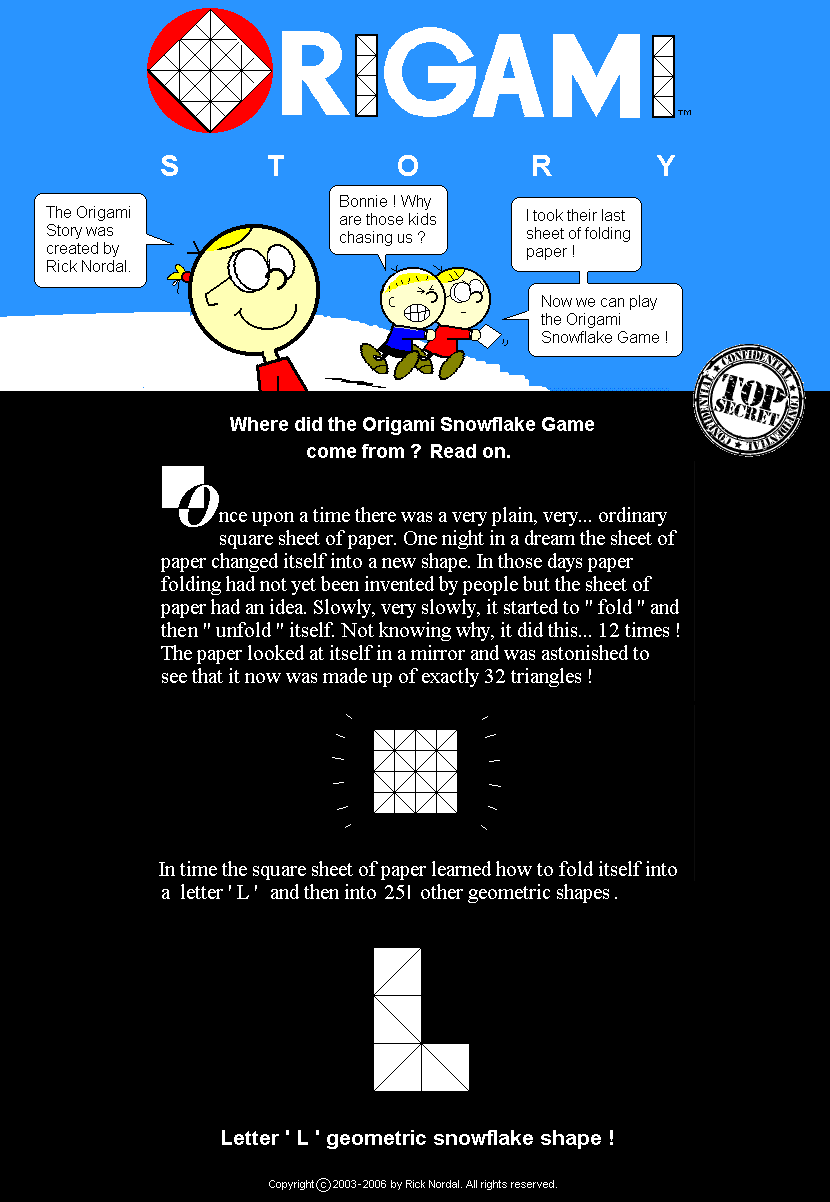
32-Triangle paper!
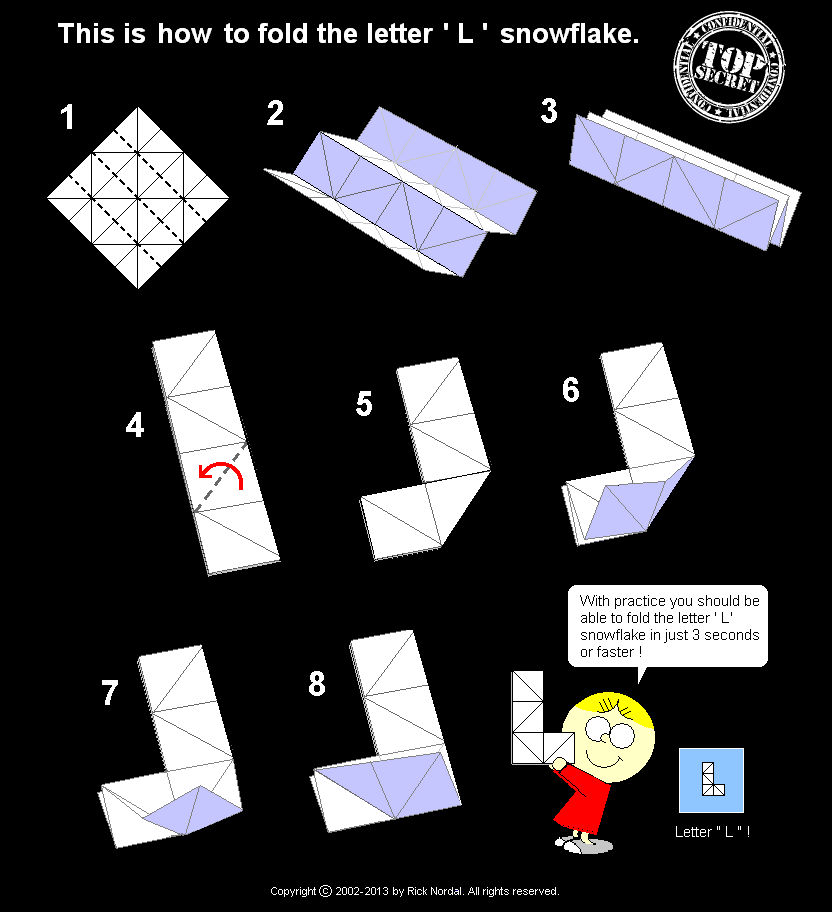
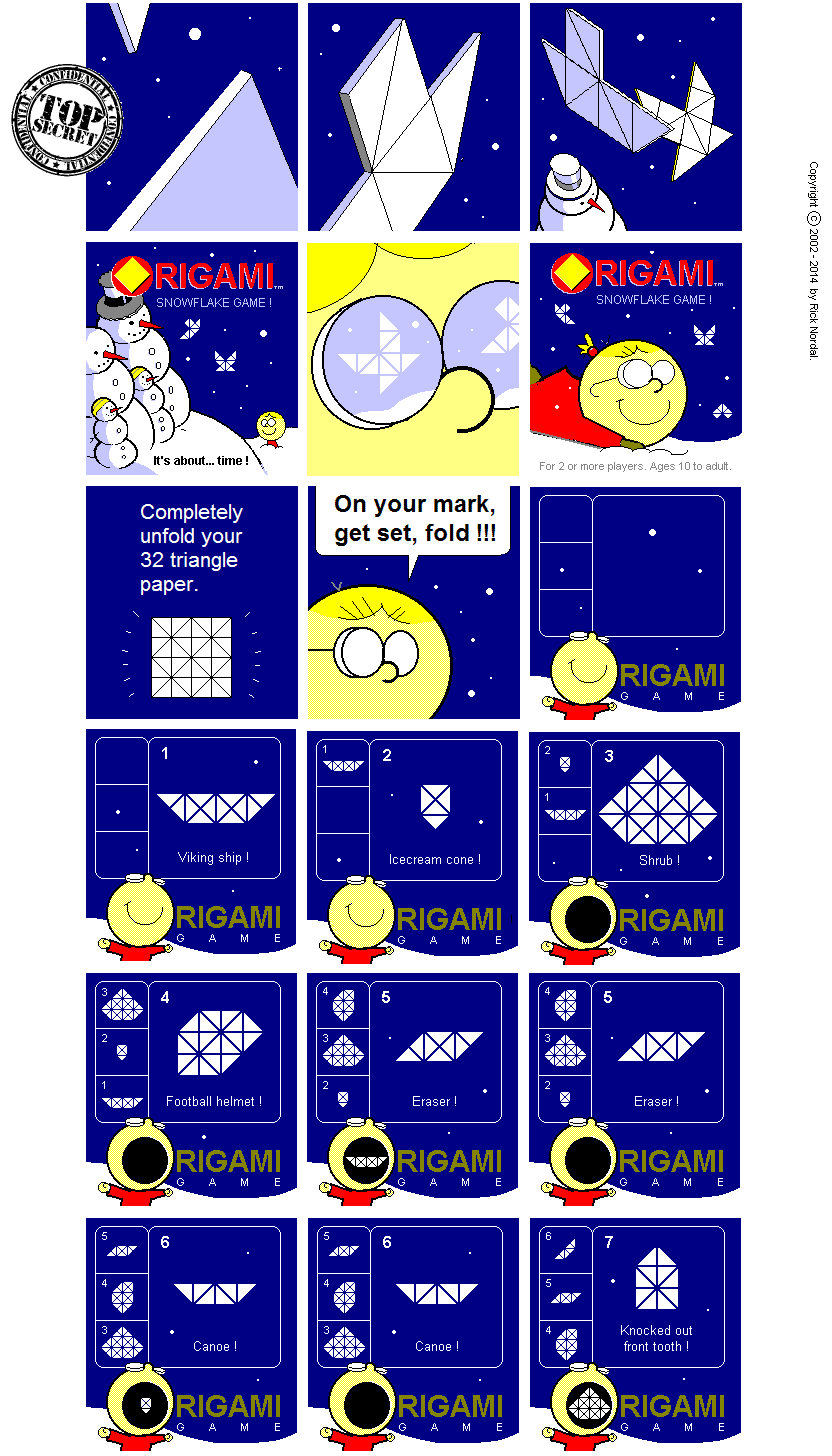
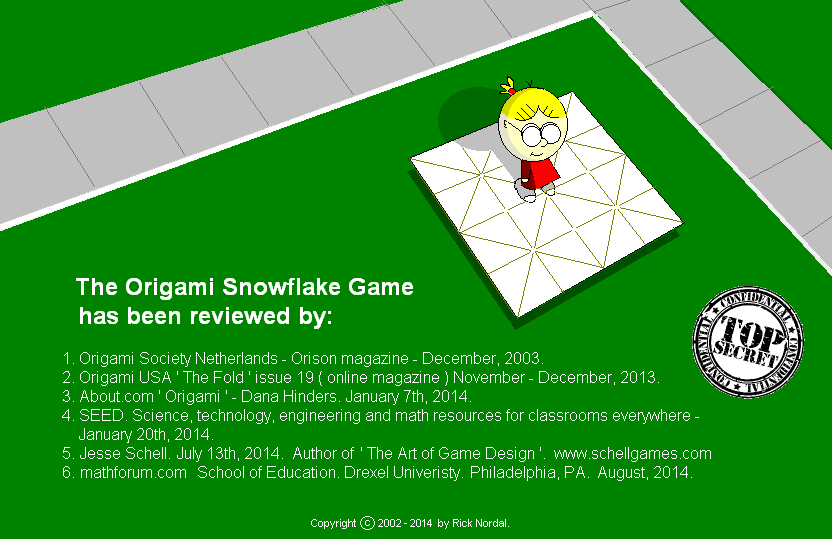
Both the Rubik's Cube and the 32-triangle paper used in the Origami Snowflake Game are similar because they test manual dexterity, pattern recognition, and rapid physical execution against a timer. Shared Similarities. Focus on Speed: Players aim to complete the physical challenge in the fastest time possible. Spatial Logic: Both activities require a strong grasp of geometry and spatial transformations. Strict Constraints: A Rubik's Cube limits movements to rotating its slices, while the Origami Snowflake Game requires folding a 32-triangle paper strictly along existing crease lines in a specific numerical order. Key Differences: A Rubik's Cube is a mechanical plastic puzzle, whereas the origami game relies on a single sheet of paper.
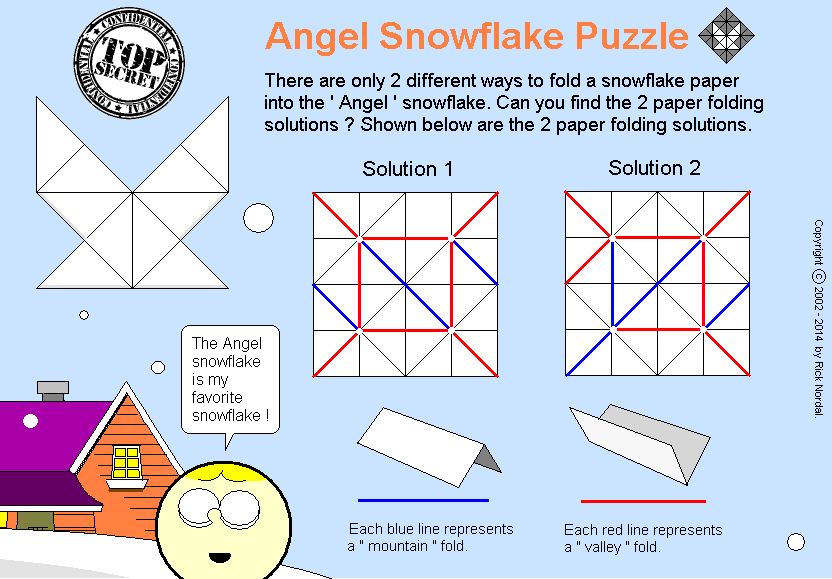
The number of ways to fold a geometric snowflake shape depends entirely on its size: smaller snowflakes offer more folding combinations, while larger ones have fewer. When morphing from one design to another without completely unfolding the 32-triangle digital paper, players can discover a vast array of transitional sequences. This mechanics-driven puzzle encourages players to invent unique folding strategies and techniques, offering endless replayability as they continuously work to refine their paper folding methods for the Origami Snowflake Game. A minute to learn, a lifetime to master!
Go to Instagram and view short video's of the Origami Snowflake Game.

















































Origami Snowflake Game copyright © 2002-2026 by Rick Nordal. All rights reserved. This webpage was last updated September 2, 2026.